2024
First system to support spontaneous activation of human eggs deemed unsuitable for cryopreservation
2024
8-Cell Human Embryos Express Hormones – potentially having a large influence on their environment

2022
Beginning of the unique “Ginterscope” to
study circadian rhythms in stem cells
2021
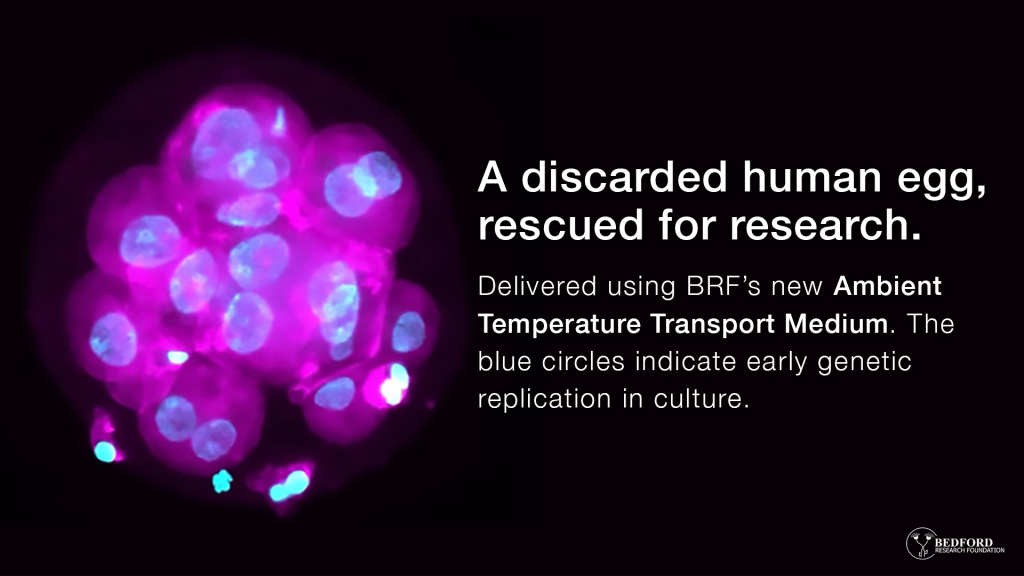
Development of unique transport medium
for unfertilized human eggs for stem cell research
2021
CMV testing in semen. Most common cause of congenital birth defects in the United States.
2020
Development of PCR test to assist health care facilities with COVID19
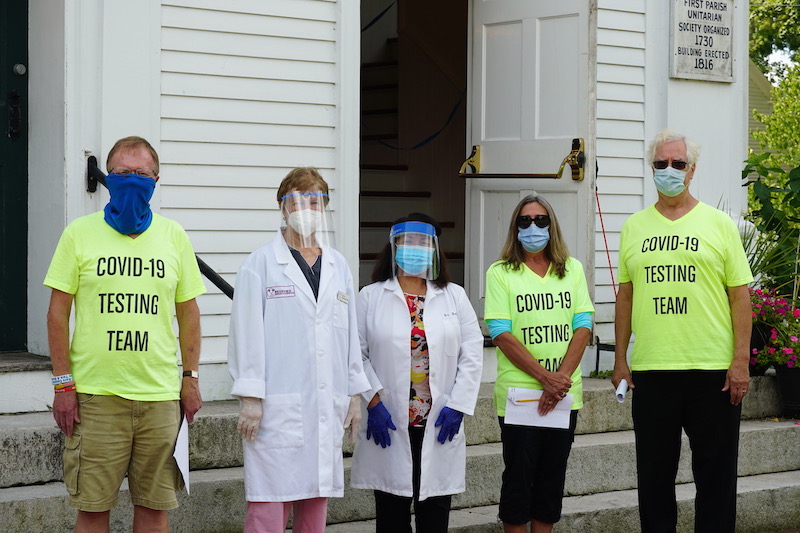

“We had the resources to help, and we felt it was our responsibility to pitch in,” said Dr. Kiessling
2019
First Activated Egg Symposium on Circadian Rhythms and Development (Boston)
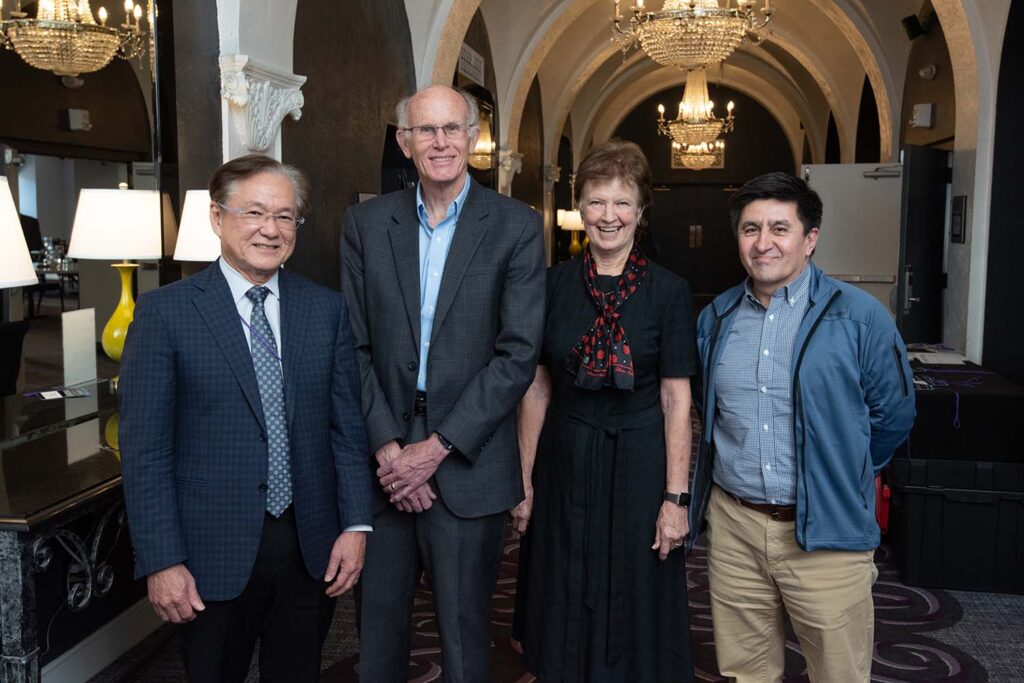

Despite the now widely recognized importance of circadian rhythms in health, Bedford may be the only research organization exploring the importance of this fundamental regulatory process in early mammalian development. – Dr. Fred Davis
2018
Development of ethical guidelines for women to donate frozen eggs for research
2017
Development of mouse “universal” stem cells that are also resistant to HIV infection
2017
Discovery of method in a mouse model system to derive “universal” stem cells
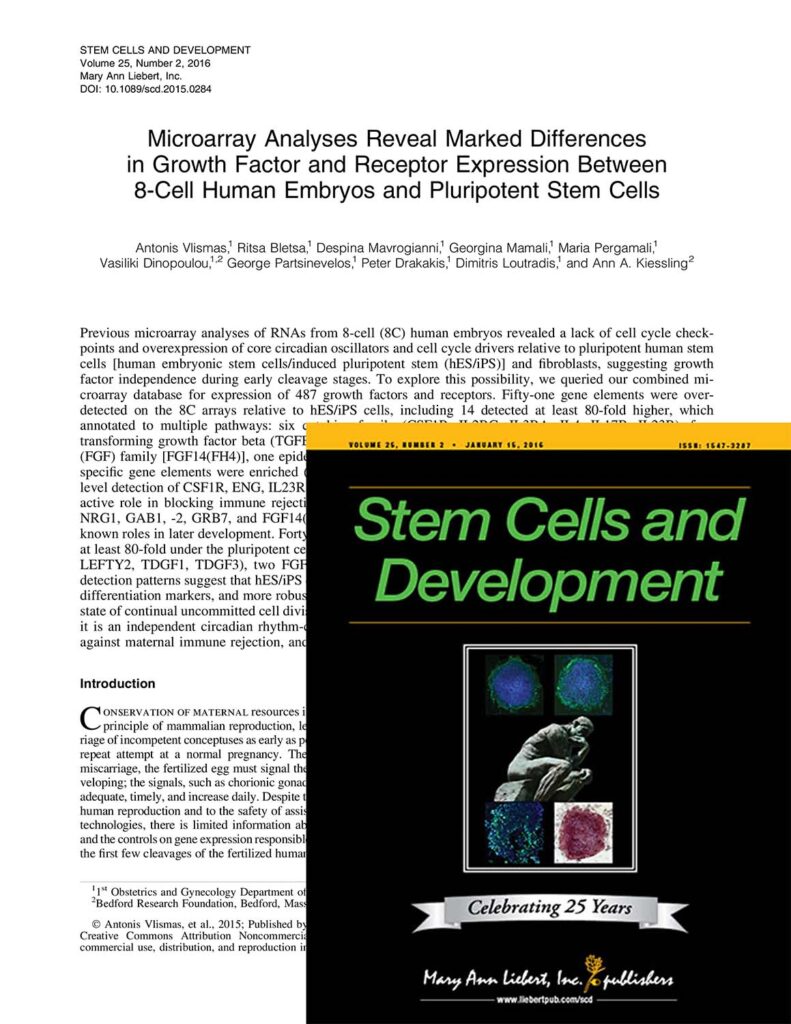
2016
Stem Cells and Development: 8-Cell Human Embryos and Pluripotent Stem Cells
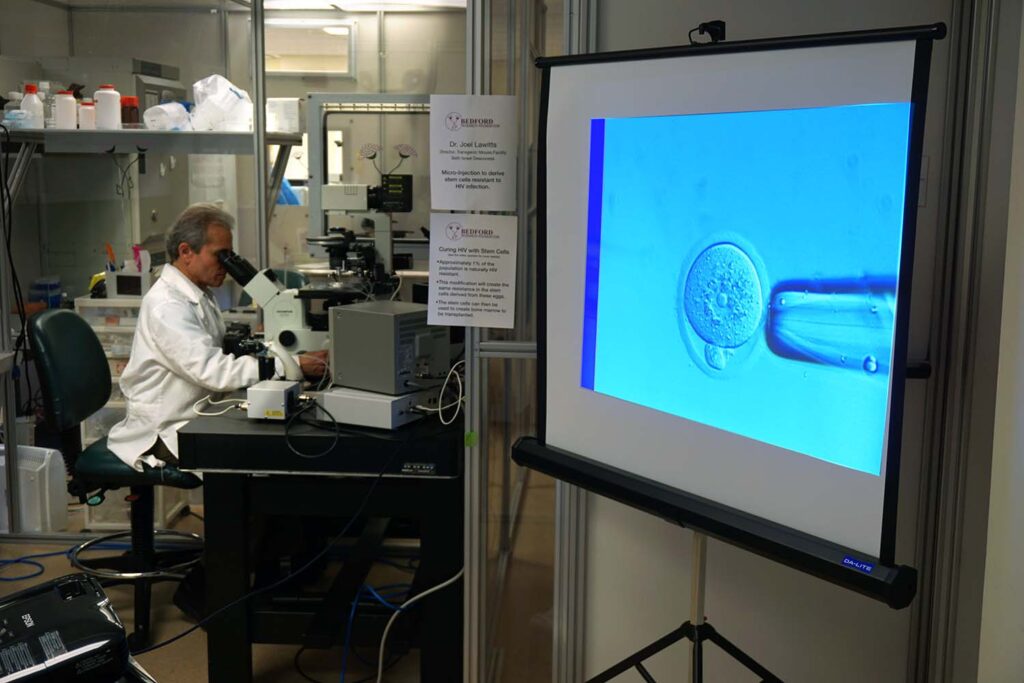
2015
Making universal stem cells in a mouse model. Knocking out HIV receptor.
2014
First observation of active circadian rhythm genes in early mouse embryos

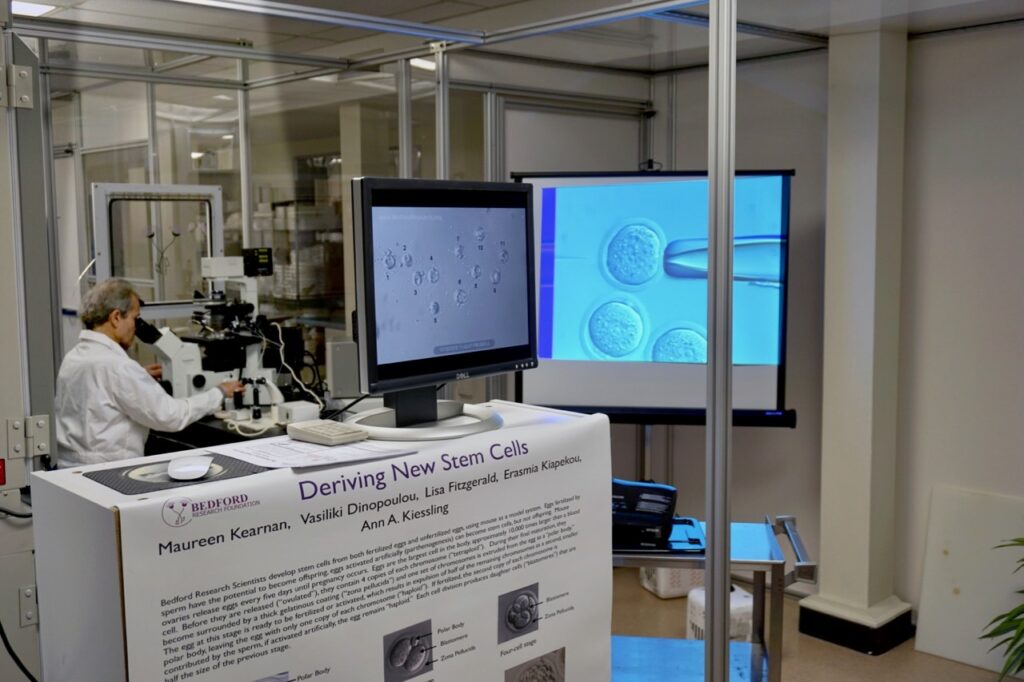
2012
First circadian microscope to observe activated mouse egg development for five days.
2010
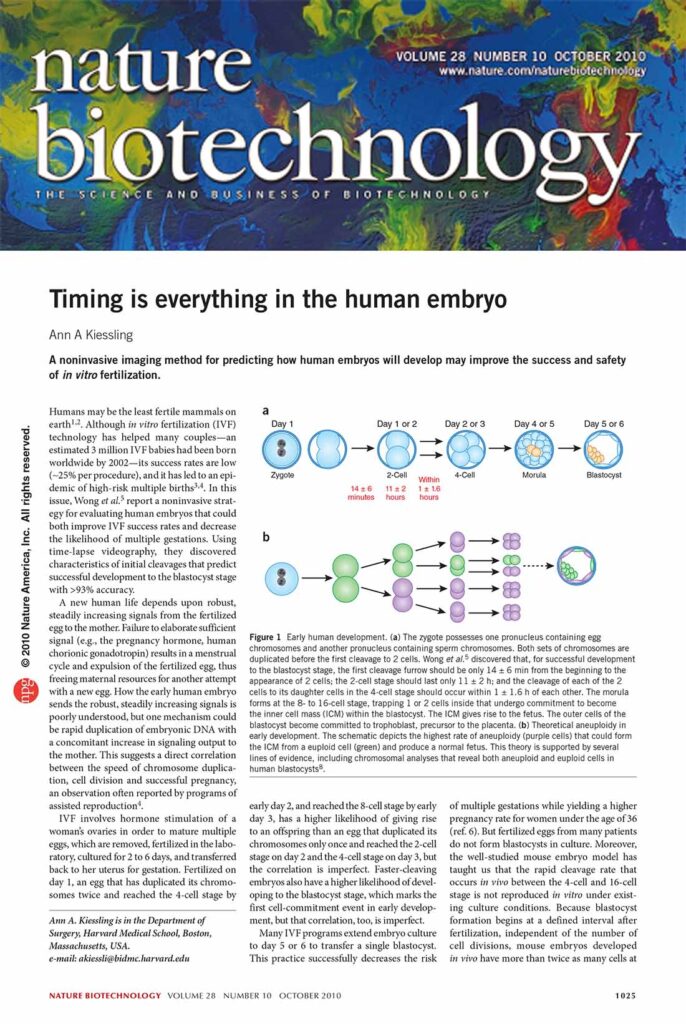
Nature Biotechnology: Timing is everything in the human embryo
A noninvasive imaging method for predicting how human embryos will develop may improve the success and safety of in vitro fertilization.
2010
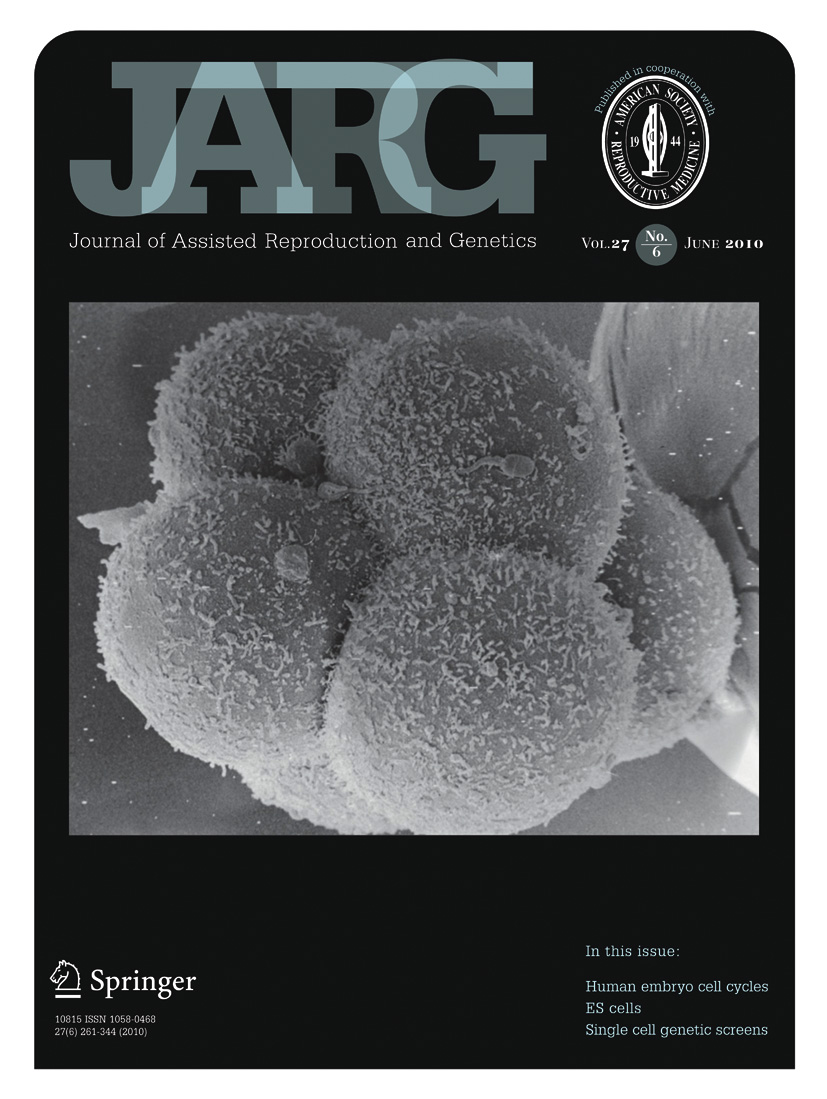
JARG Cover: BRF’s Work on Circadian Rhythms in Human Embryo Cell Cycles
June, 2010: The second report by Bedford scientists about cell division appeared as the cover story of the JOURNAL OF ASSISTED REPRODUCTION AND GENETICS. The work builds on the previous report of CLOCK genes that indicate early stem cells may be under the control of circadian rhythms. These novel findings about controls on cell multiplication will be used in the derivation of parthenogenic stem cells to attempt to improve the efficiency and stability of new stem cell lines.
2010
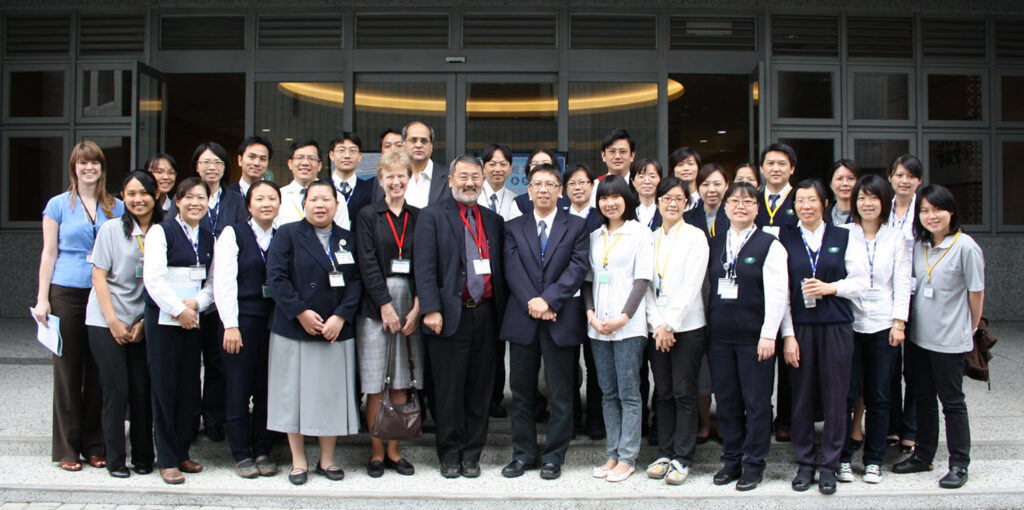
Spinal Cord Workshop: First International Meeting on Spinal Cord and Neuro-degenerative Diseases in Taiwan
2009
Discovery that circadian rhythms may be necessary to human egg activation

JARG: Evidence that human blastomere cleavage is under unique cell cycle control

2008
The first Spinal Cord Workshop “What are the Barriers to Cure?”
In partnership with the University of Georgia and The Shepherd Center – learn more.

2008
2008
First detection of prostate cancer genes in semen
2006
Research program with The University of Athens to understand human egg parthenogenesis
2004
Connecticut Law Review: “What is an Embryo?”

2003
Dr. Kiessling publishes first texbook on Human Embryonic Stem Cells

2002
First Activated Egg Symposium
In 2002, the Foundation launched The Activated Eggsymposium series. With attendance limited to 100, the event provides a unique environment for investigators from academia, industry, and infertility clinics to meet and form collaborations.
Now celebrating over 20 years bringing thought leaders together.
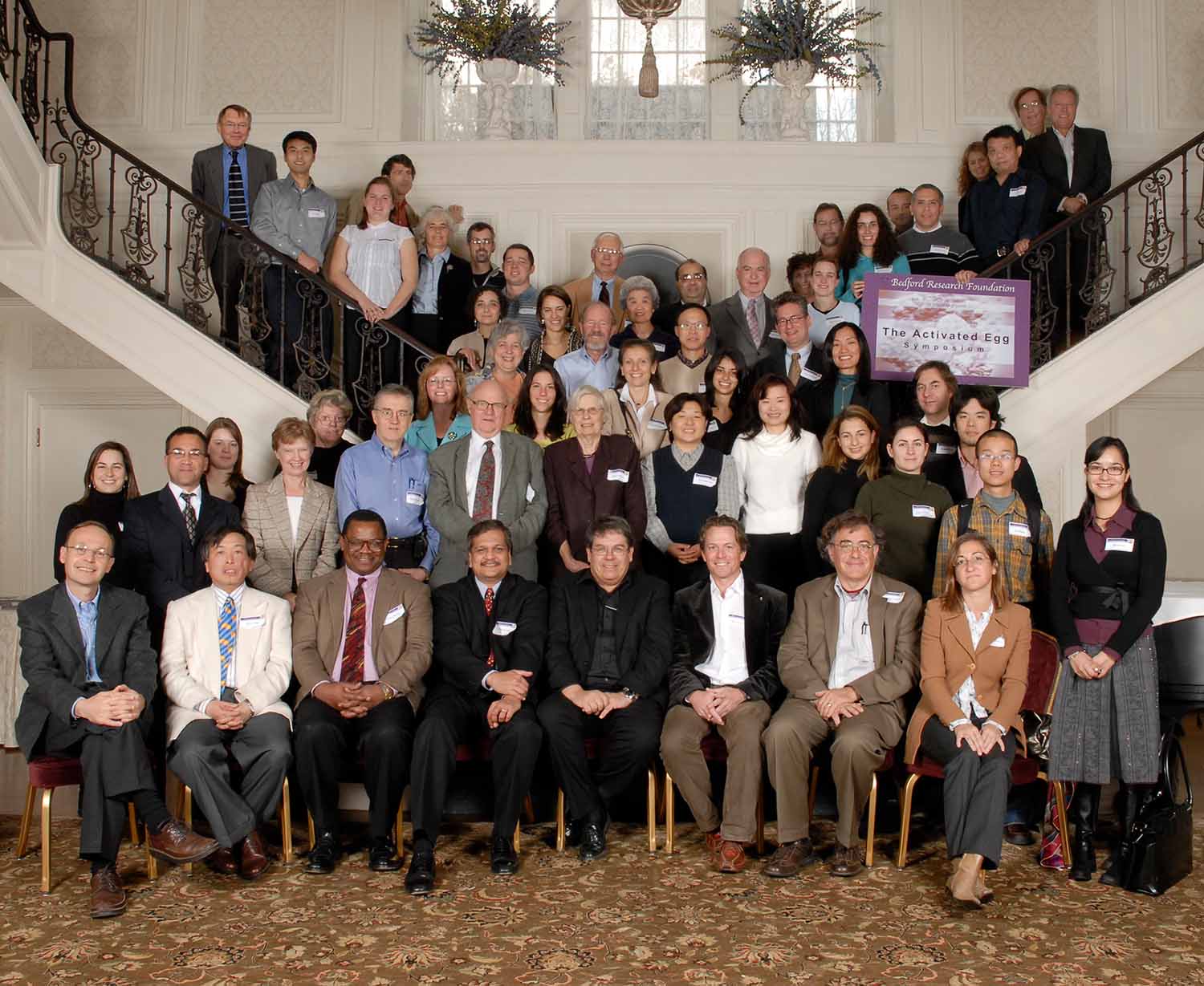
“The Activated Egg Symposium is one of my favorite meetings. The science is cutting edge, and the scale of the meeting facilitates robust interaction. So isn’t just about good science, it’s also about collaboration. It’s the kind of event where colleagues meet and form lasting partnerships.” – DAVID KEEFE, MD, PROFESSOR AND CHAIRMAN OF OBSTETRICS AND GYNECOLOGY, CELL BIOLOGY, NYU LANGONE MEDICAL CENTER
2000
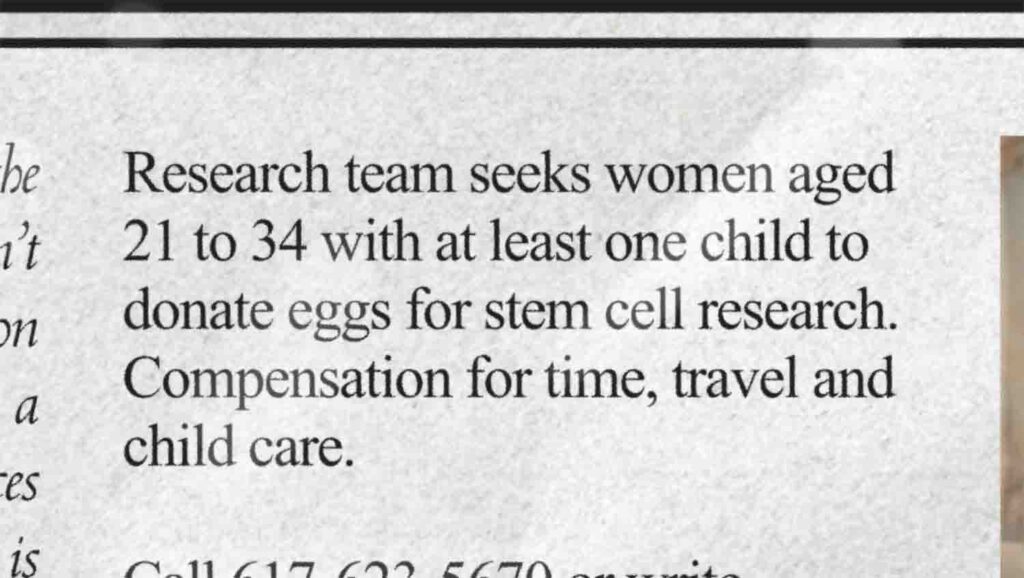
World’s first program of human egg donation for stem cell research
2000
BRF Research expands into stem cell research and other underfunded areas that require a private institution.
Because of their potential to cure currently incurable diseases, it was headline news when President George W. Bush limited federal research funds for studies of human embryonic stem cells… The lack of federal research dollars has been cited as the single biggest reason research has not moved forward fast enough… to yield therapies for diseases such as Parkinson’s, spinal cord injury, heart failure, diabetes, arthritis and AIDS.

1999
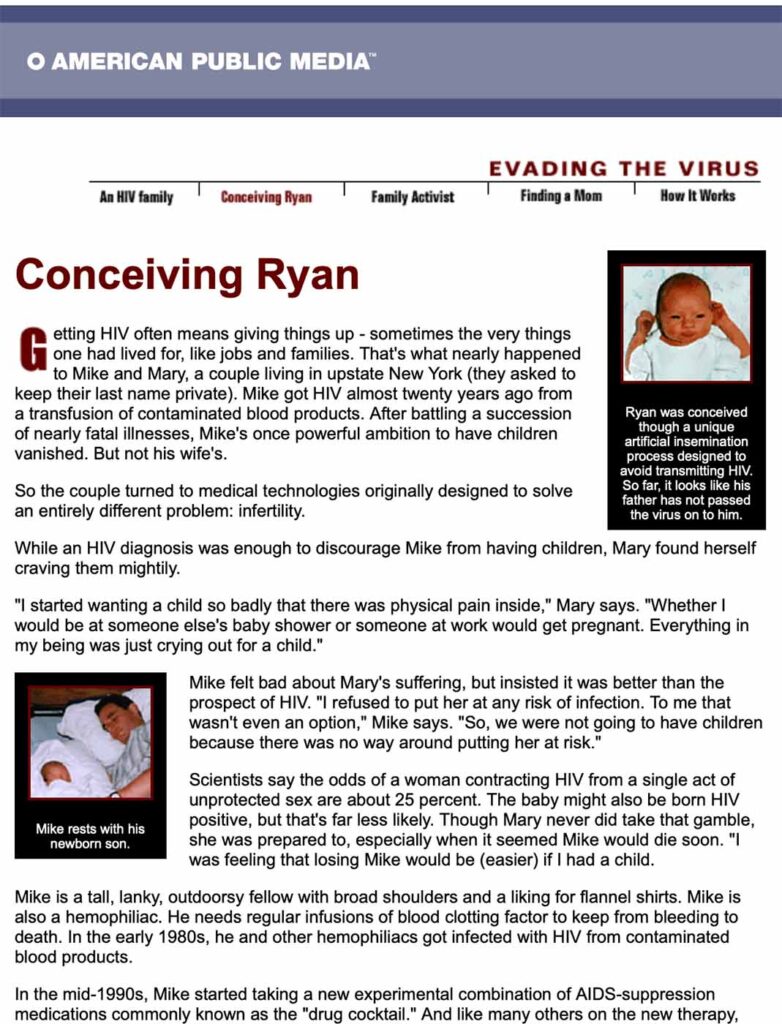
Baby Ryan, the first baby conceived through the Foundation’s Special
Program of Assisted Reproduction, is born.
1997
The first couples enter the Special Program of Assisted Reproduction (SPAR) to protect against HIV infection during conception

1996
Founded in 1996 to create SPAR