
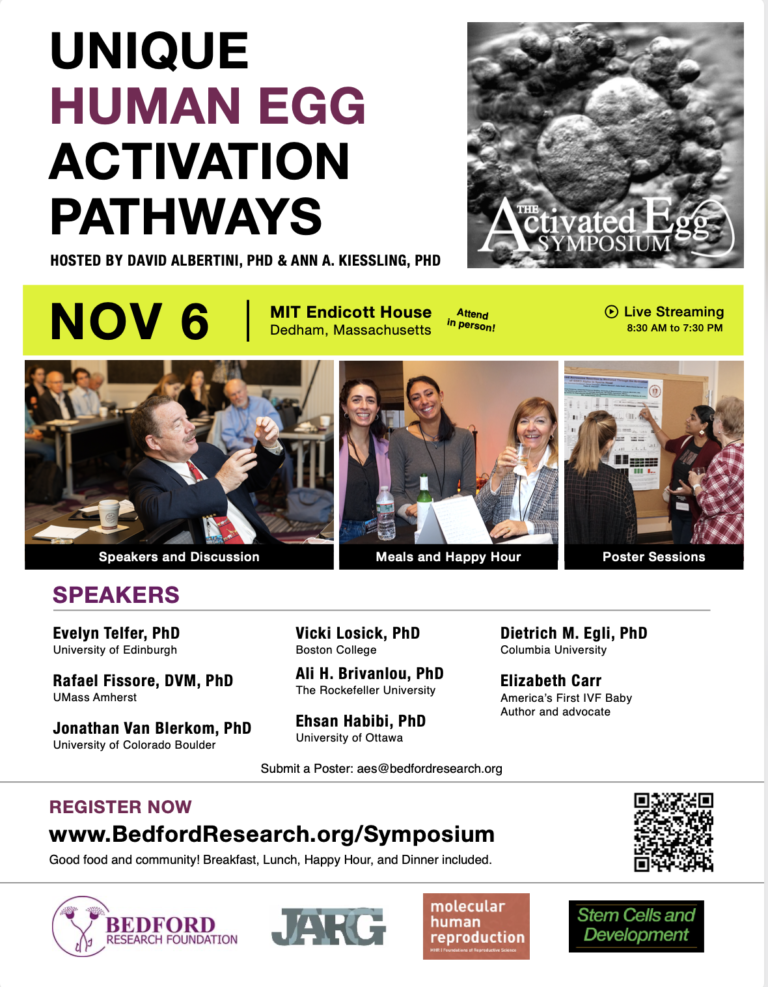
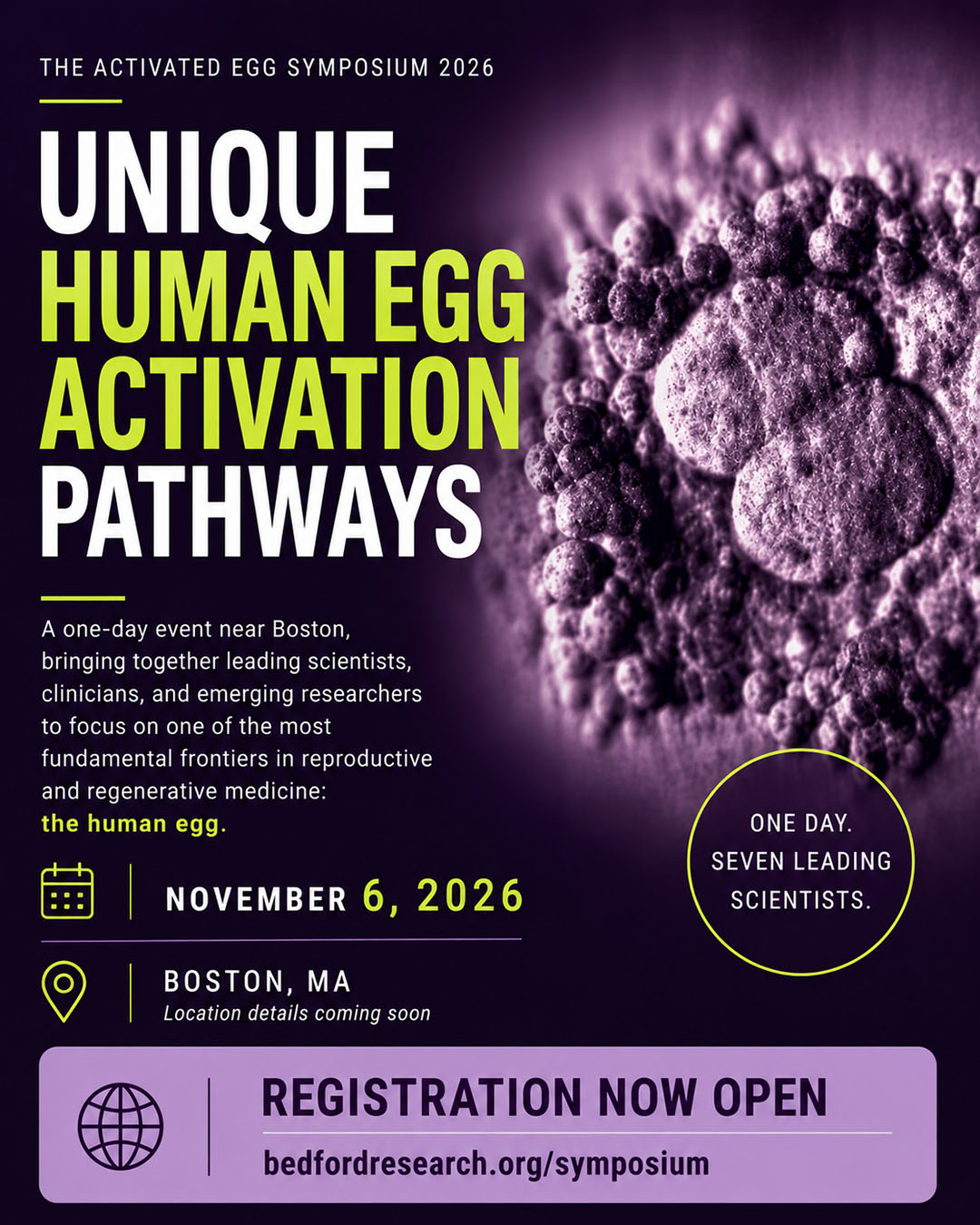
THE 2026 ACTIVATED EGG SYMPOSIUM
“Unique Human Egg Activation Pathways”
November 6, 2026
MIT Endicott House · Dedham, Massachusetts · Boston Area
One-day scientific meeting at the intersection of reproductive biology, developmental biology, molecular embryology, and stem cell science.
The 2026 program brings together leading investigators to examine human egg activation from multiple perspectives—from oocyte development and fertilization to early cleavage stages, genome stability, and stem cell-derived models.
Limited to 100 participants, the symposium offers an intimate, collegial environment for talks, poster presentations, discussion, and direct exchange with speakers and fellow researchers.
Registration
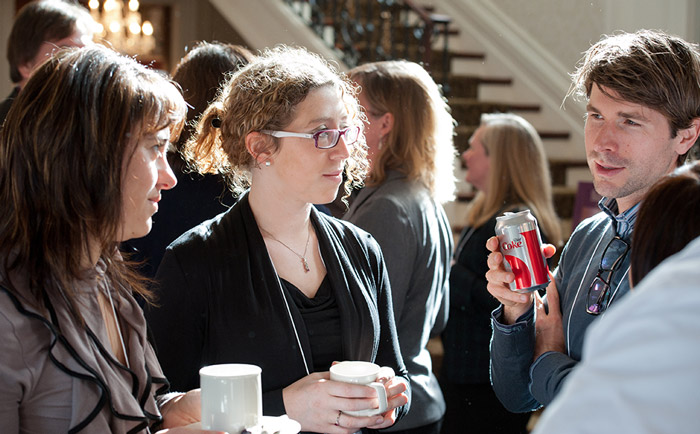
In-person registration includes thoughtfully prepared breakfast, lunch, happy hour, and dinner at MIT Endicott House.
Shared meals and generous breaks are built into the day, creating natural opportunities to continue scientific conversations between sessions.
Location
Speakers
Program
Posters
A Focused Meeting Designed for Scientific Exchange
The Activated Egg Symposium brings together reproductive biologists, developmental biologists, embryologists, stem cell researchers, clinicians, and emerging investigators whose work intersects with the earliest stages of human development.
Unlike a large scientific convention, the symposium is intentionally limited to 100 in-person participants. Its scale encourages direct conversation with speakers, thoughtful discussion across disciplines, and connections that can continue beyond the meeting.
Talks, poster sessions, shared meals, and generous breaks create an unhurried setting for exchanging ideas and learning about work taking place across reproductive biology, developmental biology, molecular embryology, and stem cell science.
Location
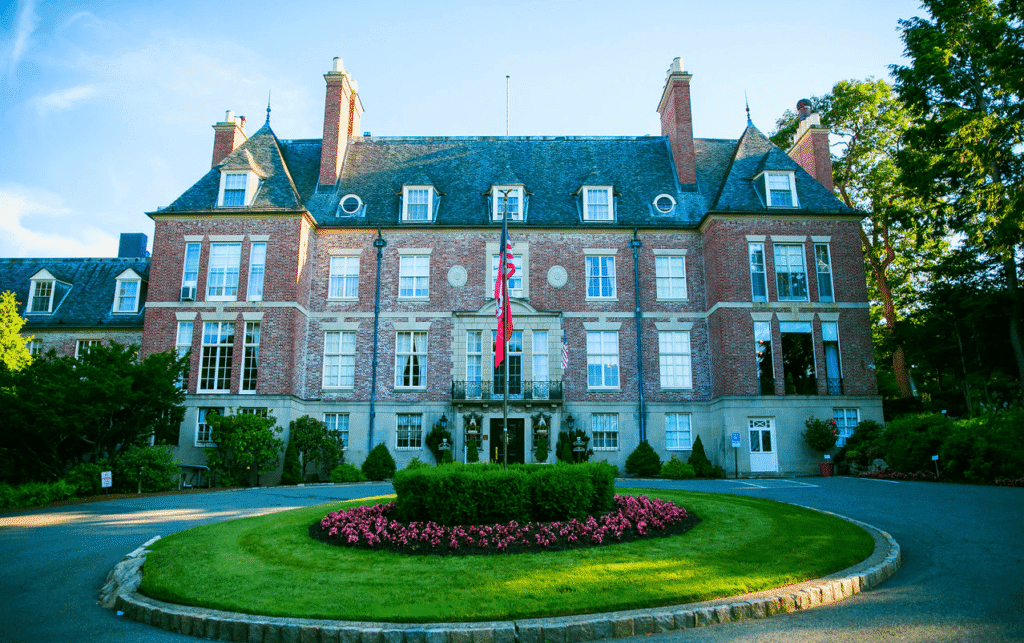
MIT Endicott House
80 Haven Street
Dedham, MA 02026
(learn more)
Email questions to: aes@bedfordresearch.org
Speakers

Evelyn Telfer, BSc, PhD CBE FRSB
Chair of Reproductive Biology
Institute of Cell Biology, School of Biological Sciences
University of Edinburgh

Ali H. Brivanlou, PhD
Robert and Harriet Heilbrunn Professor
Head, Laboratory of Synthetic Embryology
The Rockefeller University

Rafael Fissore, PhD
Talk title: “Egg Activation and Early Development: Orchestrating Multiple Ion Channels and Divalent Cations”
Research Professor
Department of Veterinary and Animal Sciences
University of Massachusetts at Amherst
Ehsan Habibi, PhD
Assistant Professor, Department of Cellular and Molecular Medicine
Scientist, Regenerative Medicine Program, Ottawa Hospital Research Institute
University of Ottawa
Jonathan Van Blerkom, PhD
Research Professor
Molecular, Cellular & Developmental Biology
University of Colorado Boulder
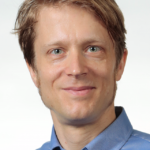
Dietrich M. Egli, PhD
Talk title: “A stressful beginning – Genome stability in the mammalian embryo”
Associate Professor of Developmental Cell Biology, Pediatrics and Obstetrics & Gynecology, Columbia University Irving Medical Center
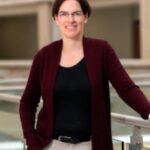
Vicki Losick, PhD
Talk Title: “The role and regulation of polyploidy in health and disease”
Associate Professor, Biology Department, Boston College

Submit A Poster
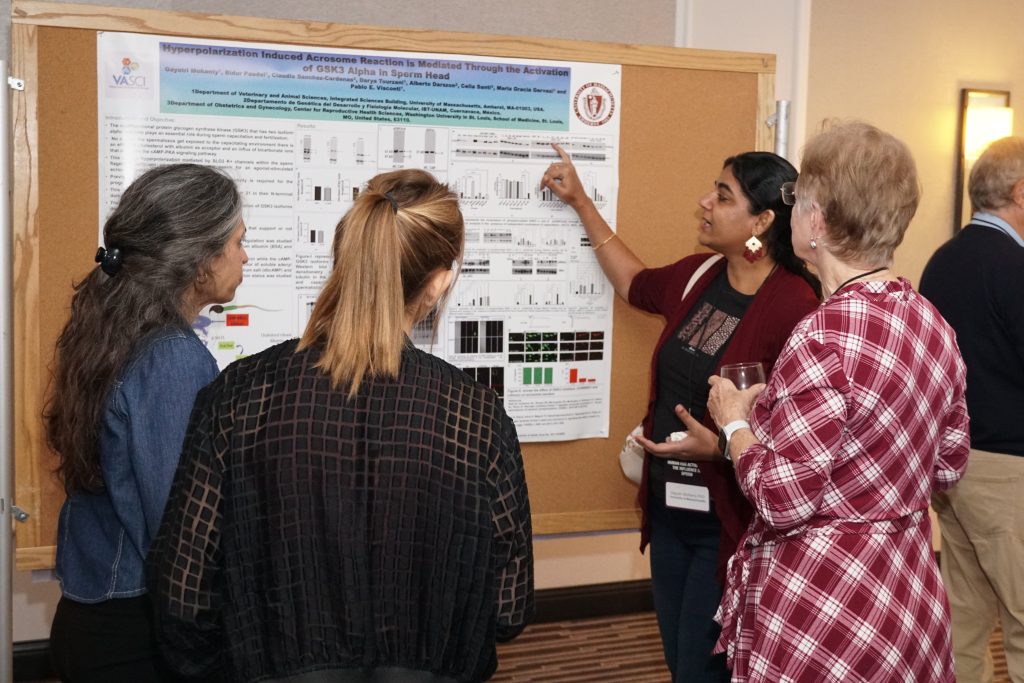
There are three poster sessions throughout the day during the coffee break, lunch, and happy hour. Prizes are awarded for outstanding work. Posters need to be relevant, but it’s okay if they’ve been presented before.
Students submitting a poster can get 50% off their registration fee – please contact us to let us know and we will send you the discount code.
Email: aes@bedfordresearch.org
50% Off for Students
Post on social! Students can get 50% their registration fee by sharing one of our social posts or making their own. Include: #EggSymp and DM us. We’ll send a coupon code.
“The Activated Egg Symposium is one of my favorite meetings. The science is cutting edge, and the scale of the meeting facilitates robust interaction. So it isn’t just about good science, it’s also about collaboration. It’s the kind of event where colleagues meet and form lasting partnerships.”
– DAVID KEEFE, MD, PROFESSOR AND CHAIRMAN OF OBSTETRICS AND GYNECOLOGY, CELL BIOLOGY, NYU LANGONE MEDICAL CENTER
FAQs
What is the Activated Egg Symposium?
Established by Bedford Research Foundation in 2002, the Activated Egg Symposium is a focused scientific meeting bringing together researchers working across reproductive biology, developmental biology, embryology, stem cell science, and related fields.
Who attends the symposium?
Participants include academic and industry scientists, reproductive biologists, developmental biologists, embryologists, stem cell researchers, clinicians, graduate students, and postdoctoral fellows.
Can I attend online?
Yes. Live online registration is available for participants who cannot travel to Massachusetts. Researchers in the Boston area are encouraged to attend in person to participate fully in the poster sessions, shared meals, and informal scientific discussions.
What is included with in-person registration?
In-person registration includes the complete scientific program, poster sessions, thoughtfully prepared breakfast and lunch, happy hour, and dinner at MIT Endicott House.
How large is the meeting?
In-person attendance is limited to 100 participants, creating opportunities for direct conversation with speakers and sustained discussion among colleagues.
SUPPORT THE FOUNDATION
The Bedford Stem Cell Research Foundation is entirely supported by private donations. And since the Foundation has lower operating costs than large teaching and medical institutions, 94% of your donation goes directly to the laboratory. For this reason, more research results from each donation received. Please help us support this urgently needed research.